People 2026
Leadership Team
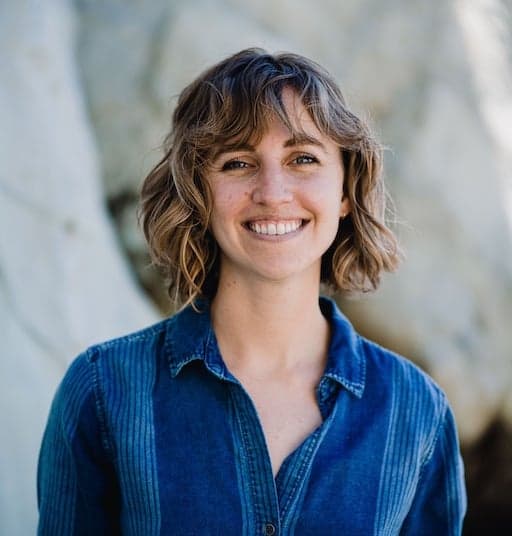
Sara Beery
Sara Beery has always been passionate about the natural world, and she saw a need for technology-based approaches to conservation and sustainability challenges. This led her to pursue a PhD at Caltech, where her research focuses on computer vision for global-scale biodiversity monitoring. Her work is funded by an NSF Graduate Research Fellowship, a PIMCO Data Science Fellowship, and an Amazon AI4Science Fellowship. She works closely with Microsoft AI for Earth and Wildlife Insights (via Google Research) to translate her work into usable tools. Sara’s experiences as a professional ballerina, a queer woman, and a nontraditional student have taught her the value of unique and diverse perspectives in the research community. She’s passionate about increasing diversity and inclusion in STEM through mentorship, teaching, and outreach.

Eric Orenstein
Eric’s work lives at the intersection of ecology and computer vision, enabling unique studies of rapidly fluctuating marine environments. He uses imagery to study marine population dynamics, how they are impacted by their environment, and how they in turn influence the rest of the ecosystem. Eric has built and maintained imaging devices; worked with autonomous and remotely operated vehicles; executed field programs as a diver, small boat operator, and scientist aboardlarge research vessels; and used the data to study diverse organisms, from plankton to fish. Eric spends lots of time thinking about how to get robots to do useful things based on populations changes they encounter while underway.
Instructors
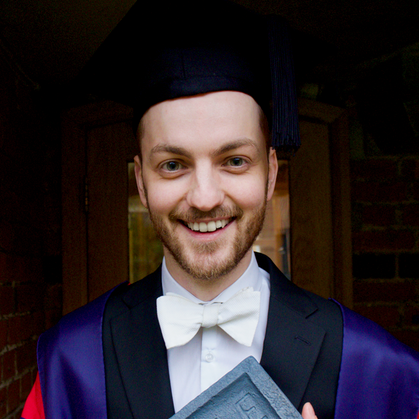
Michael Hobley
Michael is a postdoctoral researcher at Caltech and the Head Scientist of the Fisheye team, a multi-institutional project using AI and sonar to count migrating salmon. He is interested in utilising machine learning to empower scientific research and has worked on projects ranging from fish counting to disease detection and hypersonic flight. Previously, he earned his DPhil at Oxford in the Active Vision Laboratory, where he worked on vision-based zero-shot counting.
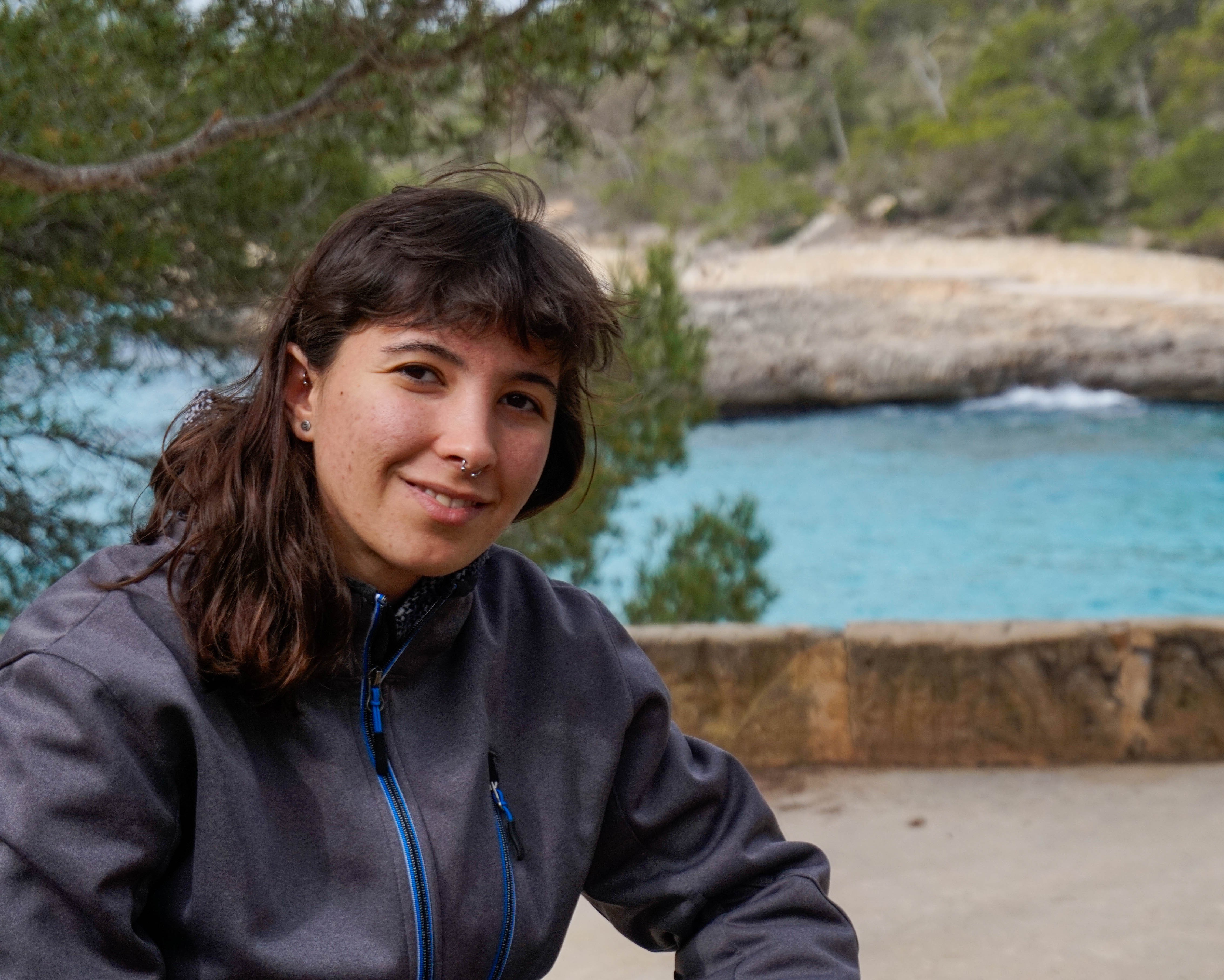
Alba Márquez-Rodríguez
Alba is an AI Scientist and PhD candidate at the University of Cádiz, specializing in applying artificial intelligence to ecological data from remote sensors such as audio, video, and radar. With experience in diverse ecology research projects, Alba works at the intersection of technology and ecology, developing deep learning-based models and pipelines for automated biodiversity monitoring to support ecologists. Passionate about understanding and mitigating anthropogenic impacts on biodiversity and the environment, Alba’s interest in AI for ecology stems from a commitment to applying technology for conservation. Alba also participated as a student in CV4Ecology 2023 and is now returning as an instructor.
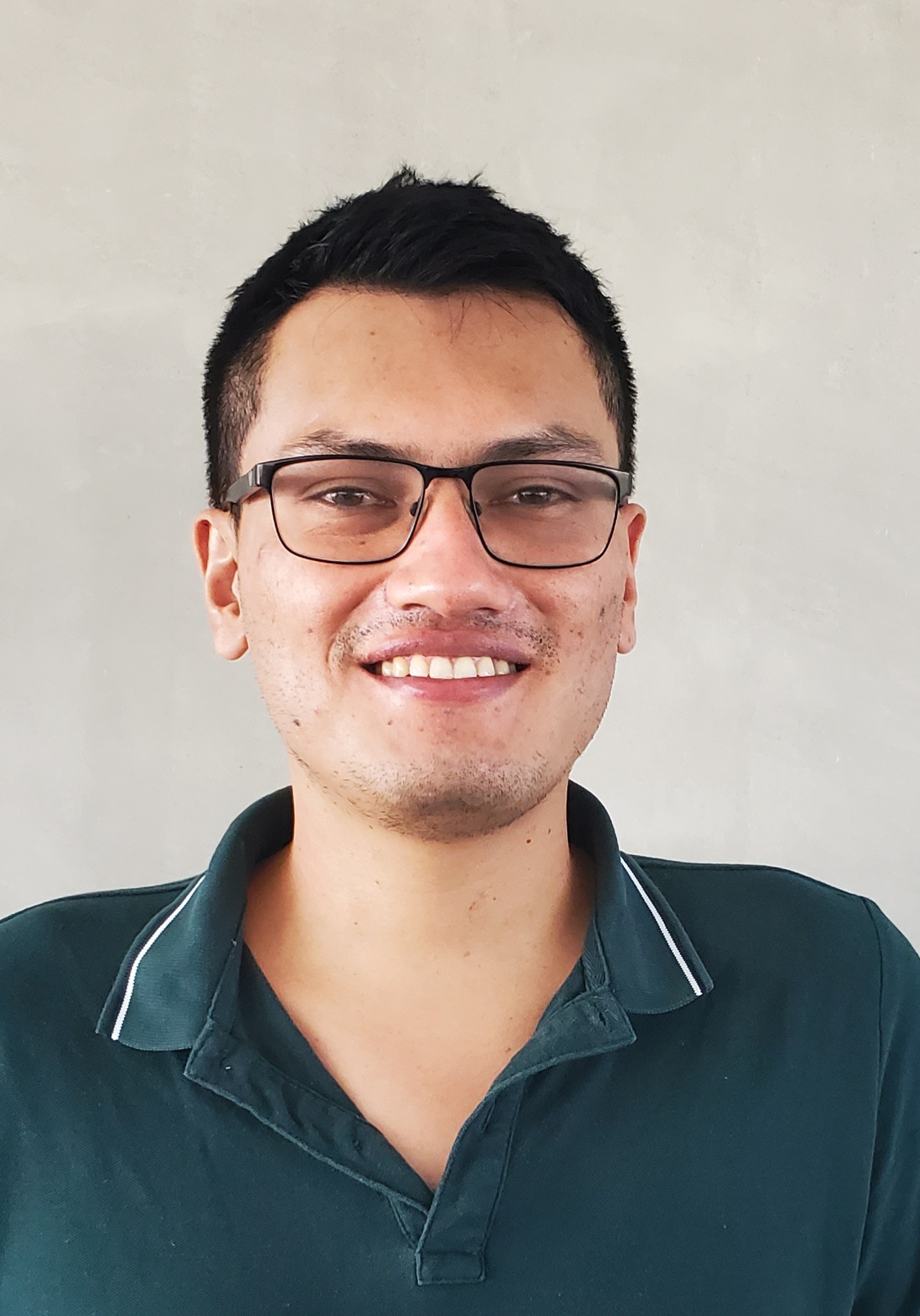
Jose F. Ruiz-Munoz
Jose F. Ruiz-Munoz is an Assistant Professor at the National University of Colombia (La Paz campus). He holds a PhD in Engineering (Automation) from the National University of Colombia and was a Postdoctoral Researcher at the University of Florida's Machine Learning and Sensing Lab. His work focuses on the application of computer vision, deep learning, and data science to ecological monitoring, biodiversity assessment, and renewable energy systems. He has extensive experience teaching machine learning and computer vision courses, and has led projects in bioacoustics, remote sensing, and AI-driven environmental analysis.
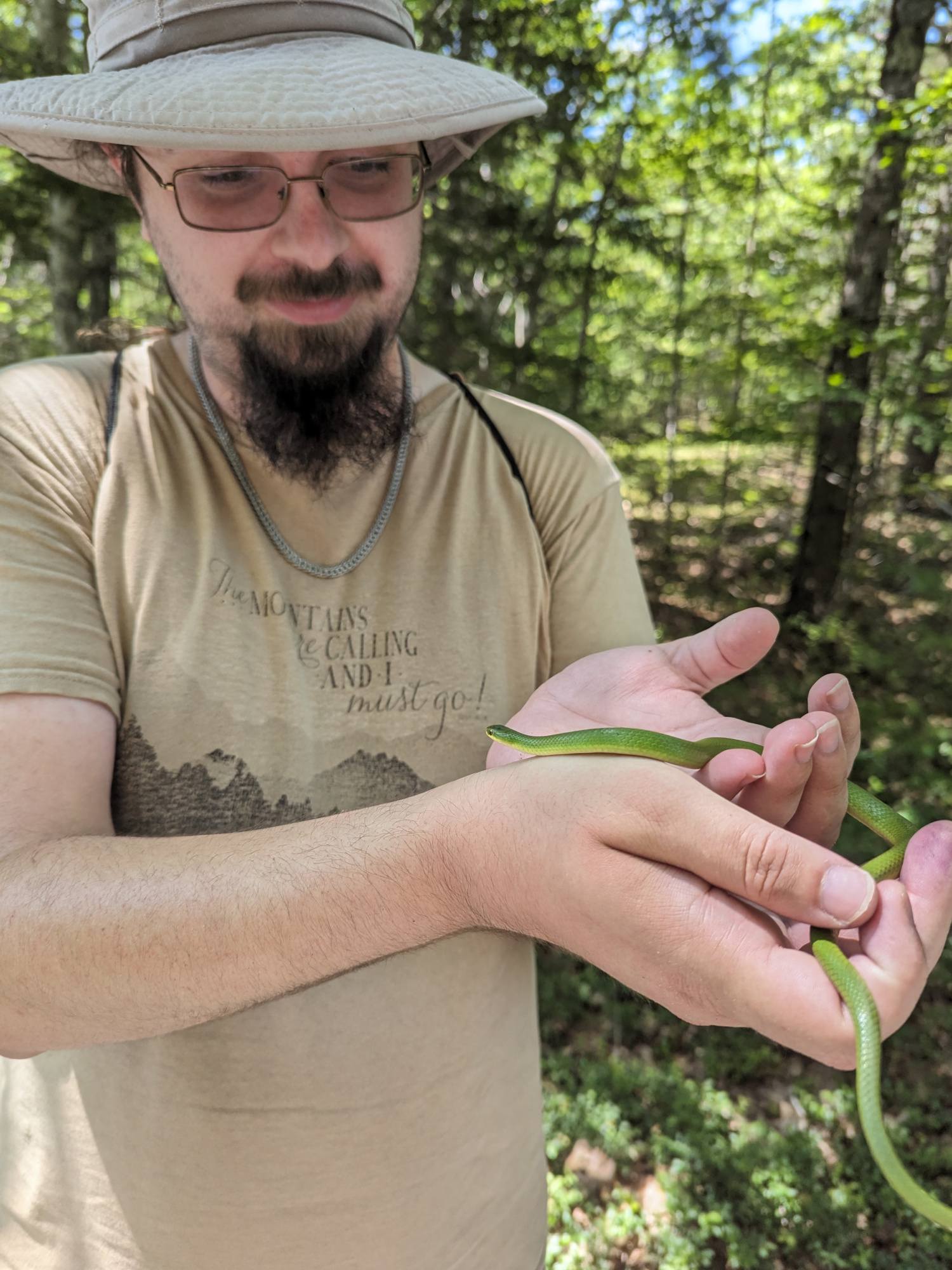
Brian Geuther
Brian is a software engineer that focuses on developing visual measurement techniques that advances scientific observation. His experience has ranged from behavioral classification to physiological biomarker measurement, such as breathing rate and sleep states, using only video data. He has also contributed to local herpetology projects targeted at monitoring the seasonal migration patterns of frogs and salamanders.
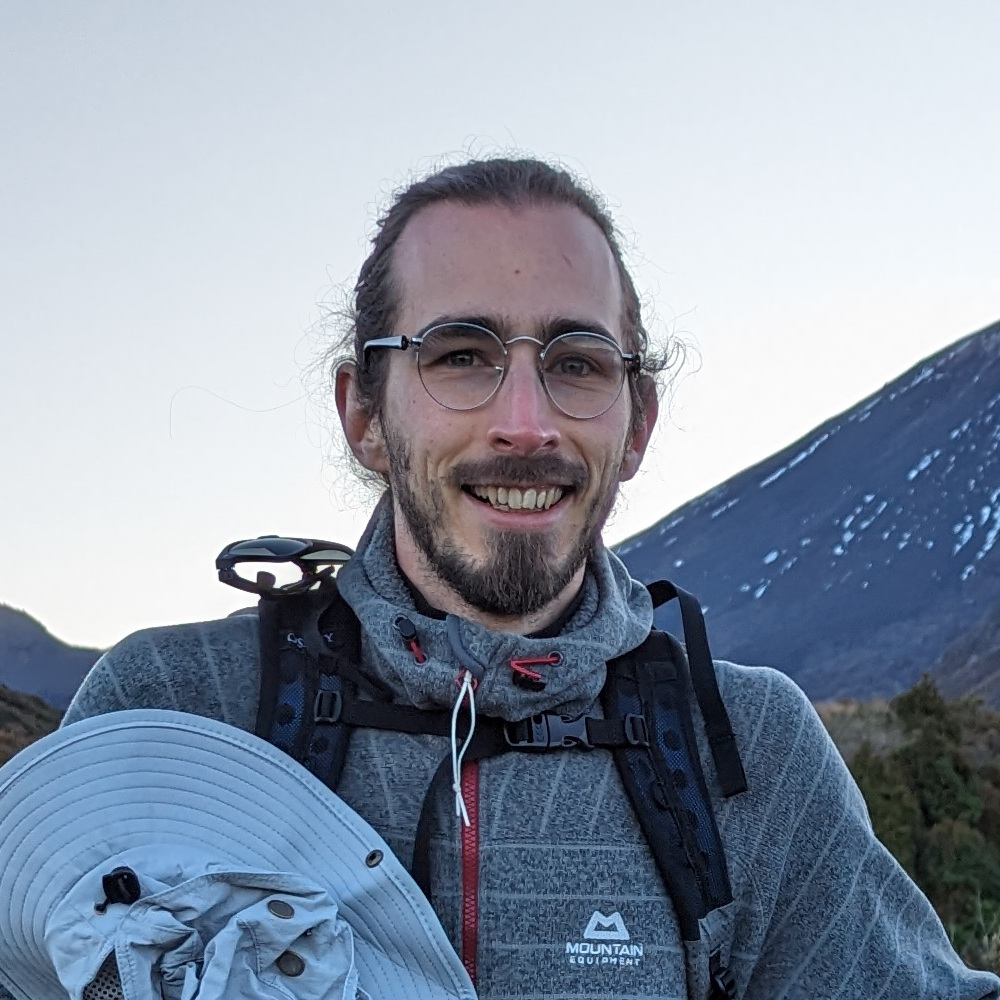
Octave Mariotti
I am a post-doctoral researcher in Computer Vision and Machine Learning at the School of Informatics of the University of Edinburgh. My primary research topics cover learning without human annotations and building 3D awareness in deep image models. I am also interested in exposing biases in model evaluation and applying computer vision to a more equitable and sustainable world.

Shir Bar
Shir is an incoming postdoctoral researcher in Prof. Sara Beery's lab at MIT, where she will work on detecting rare behaviors from movement data. She comes from a background in marine ecology and completed her Ph.D. at Tel Aviv University, where she developed computer vision methods to study fish behavior and morphology. Having spent countless hours manually annotating data, leaving behind many unannotated samples, she is passionate about teaching computer vision to ecologists and helping them scale their analyses.

Louis Freeland-Haynes
Louis is a PhD student at the University of Pittsburgh, birder and machine-learning enthusiast. He works on developing improved bioacoustic classifiers, and applying those classifiers for bird conservation. He's particularly interested in how you can use these tools to collect data and then do ecological inference, accounting for the uncertainty introduced by using an imperfect machine learning model. He's also interested in making tools that are more accessible for conservationists and ecologists