Students 2026
Ogonna Eli
Northern Arizona UniversityHello! I am Ogonna. I am currently a PhD student working in the areas of remote sensing, vegetation ecology, and ecological modeling. My work focuses on using satellite data and analytical tools — such as Google Earth Engine and time-series change detection methods—to study vegetation dynamics, drought impacts, and disturbance events. I’m especially interested in how spectral signatures and vegetation indices can help us better understand ecosystem health and resilience. Outside my research, I enjoy continuous learning, data visualization, and collaborating on interdisciplinary projects. I’m always excited to meet people with similar interests and explore new opportunities for growth and discovery.
Project: My project aims to develop an automated approach for identifying early signs of bark beetle infestation in Arizona forests. By combining high-resolution NAIP imagery, labeled tree-level data, and multispectral Sentinel-2 time-series data, I will train computer vision models to classify healthy, infected, and dead trees. The project will also use deep learning to determine which spectral bands best capture early stress signals and to map canopy damage progression from 2017 to 2024. Ultimately, this work seeks to evaluate whether satellite-based computer vision methods can reliably detect and monitor beetle-induced forest damage to support proactive forest management.
Eric R. Snyder
Yang Center for Conservation Bioacoustics, Cornell UniversityEric's research interest lies at the intersection of acoustics and conservation. He uses his physical and technical understanding of ocean acoustics and signal processing to gain insights into the ecology and behavior of whales. Currently, Eric is the Christopher W. Clark Postdoctoral Fellow in the Yang Center for Conservation Bioacoustics. He is developing methods for monitoring baleen whales using telecommunications cables that have been repurposed as acoustic sensors, a technology called Distributed Acoustic Sensing. Eric completed a PhD at Scripps Institution of Oceanography, where he studied beaked whales and ocean acoustics.
Project: Eric will be using computer vision algorithms to detect baleen whale calls in Distributed Acoustic Sensing (DAS) data. The fiber optic telecom cables used for DAS can span significant distances, providing valuable spatial information and allowing researchers to track their movement and presence. The data can also be collected on land, opening the door for potential real-time monitoring applications. With CV4Ecology, Eric hopes to develop a robust and generalizable whale call detection workflow in order to demonstrate the real-time monitoring capabilities of DAS.
Maria Camila López-Posada
Centro de Investigación Científica y de Educación Superior de Ensenada, Baja California (CICESE)I’m a researcher and graduate student in Marine Ecology. I hold a background in Mathematics and a Master’s degree in Applied Mathematics, which provided me with analytical and computational skills that I now combine with my passion for the ocean. Currently, I’m pursuing a second Master’s degree in Marine Ecology, where I explore the intersection between ecology and technology for conservation purposes, with a focus on batoids in a marine protected area in the Gulf of California, Mexico. My research interests include elasmobranch conservation and the use of emerging technologies for marine protected area management. Outside of academia, I enjoy running, hiking, diving, and photography, activities that deepen my connection to the marine environment and inspire my academic work.
Project: My project focuses on the automatic detection and identification of rays in the Bahía de los Ángeles Biosphere Reserve, a marine protected area in the Gulf of California. Non-invasive tools such as Baited Remote Underwater Video Systems (BRUVS) provide a robust platform to improve the monitoring and collection of biological and ecological data for rays. However, manual identification at the species level can be slow, costly, and labor-demanding, especially when a large amount of data has been gathered. By leveraging computer vision and deep learning techniques applied to footage from BRUVS, I aim to address the significant bottleneck of manual video analysis. The primary objective is to identify individuals to the genus or species level and to automate the calculation of the MaxN abundance metric. My research aims to improve monitoring workflows and support the conservation of threatened and data-deficient elasmobranch populations.

Jessica Reichert
Hawai'i Institute of Marine Biology, University of Hawai'iI am a marine biologist and work as postdoctoral researcher at the Hawai'i Institute of Marine Biology. My research focuses on understanding how environmental stressors, particularly microplastics, affect the growth, morphology and physiology of reef building corals, and how these impacts scale to coral reef ecosystems. I combine controlled laboratory experiments with field studies to identify mechanistic links between stressor exposure and the corals' physiological responses. A central component of my work is the use of 3D imaging approaches such as photogrammetry, 3D scanning, and quantitative shape analysis to capture coral morphology, growth, and fine scale interactions between the organisms and their environment.
Project: My project aims to develop an image-based method to rapidly and reproducibly quantify interactions between microplastic particles and reef-building corals. Using high-resolution video recordings from controlled experiments, I will explore computer vision approaches to detect particles, track their motion, and classify coral-particle-interaction events. This will help to extract key interaction metrics necessary to assess the risk posed by microplastics. As an application, I will use the developed workflow to examine how flow conditions influence microplastic coral interactions, with the broader goal of enabling scalable analysis for future laboratory and field studies.
Thomas Vogler
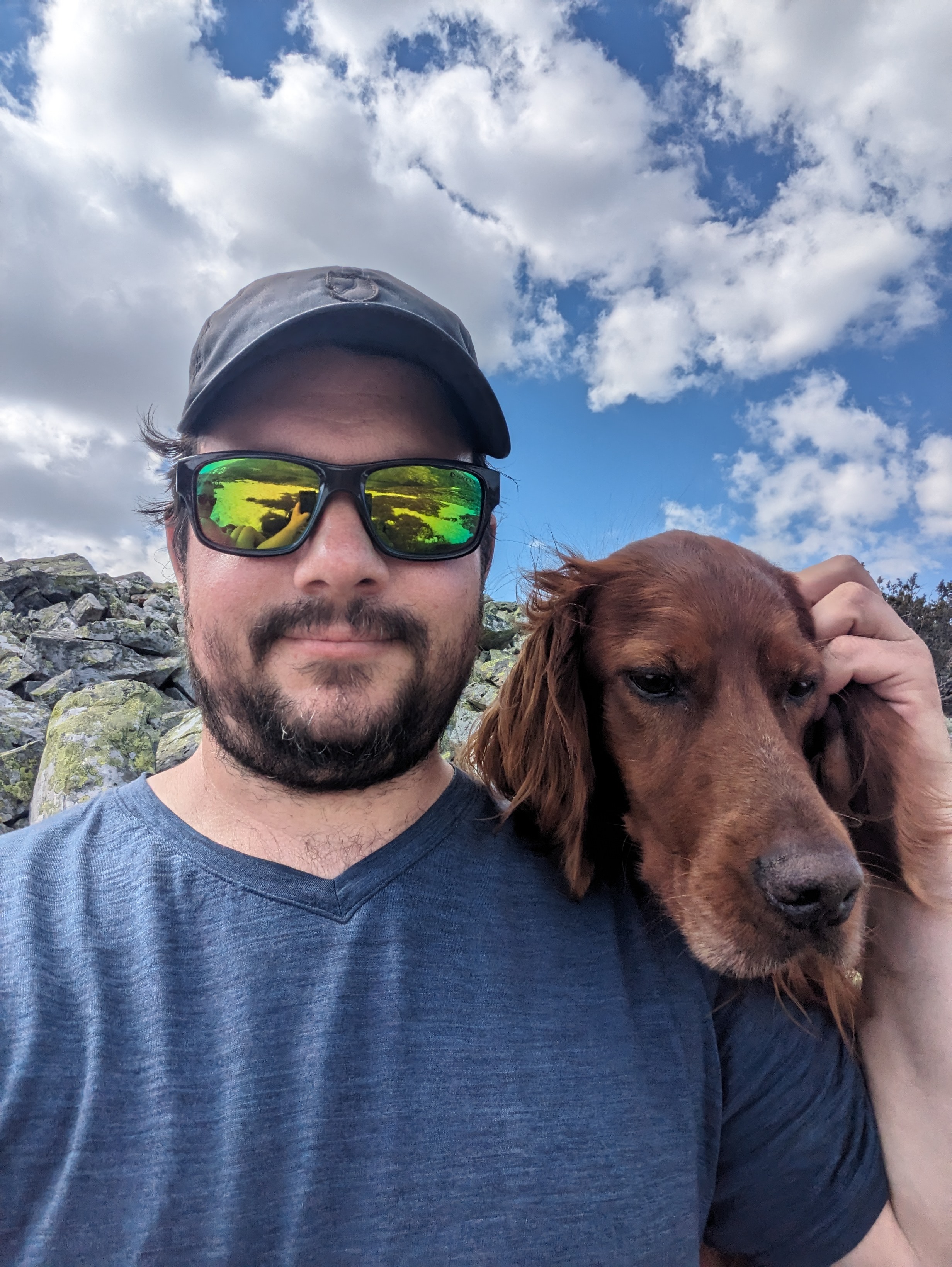
University of Inland NorwayI am a PhD Student in the Department of Wildlife Management and Forestry at the University of Inland Norway. My research focuses on estimating the abundance of ungulates in open desert landscapes in Mongolia and Kazakhstan using a range of survey designs and analytical frameworks. I have a strong interest in the application of drones and remote sensing techniques in wildlife research and management. I expect CV4Ecology will provide me with the skills needed to apply computer vision methods across multiple aspects of my research.
Project: We conducted a large-scale strip-transect drone survey in Altyn Emel National Park, Kazakhstan, with the aim of estimating population sizes of the Asiatic wild ass and the goitered gazelle. Using computer vision, we will detect and classify these two species and integrate the resulting data into a spatial modelling framework to predict population size across the entire national park. Both species are endangered, and traditional survey and analysis methods have proven unreliable in this environment. We believe that combining drone-based surveys with spatial models can provide more robust population estimates and support management and conservation of these species.
Abigail Grassick
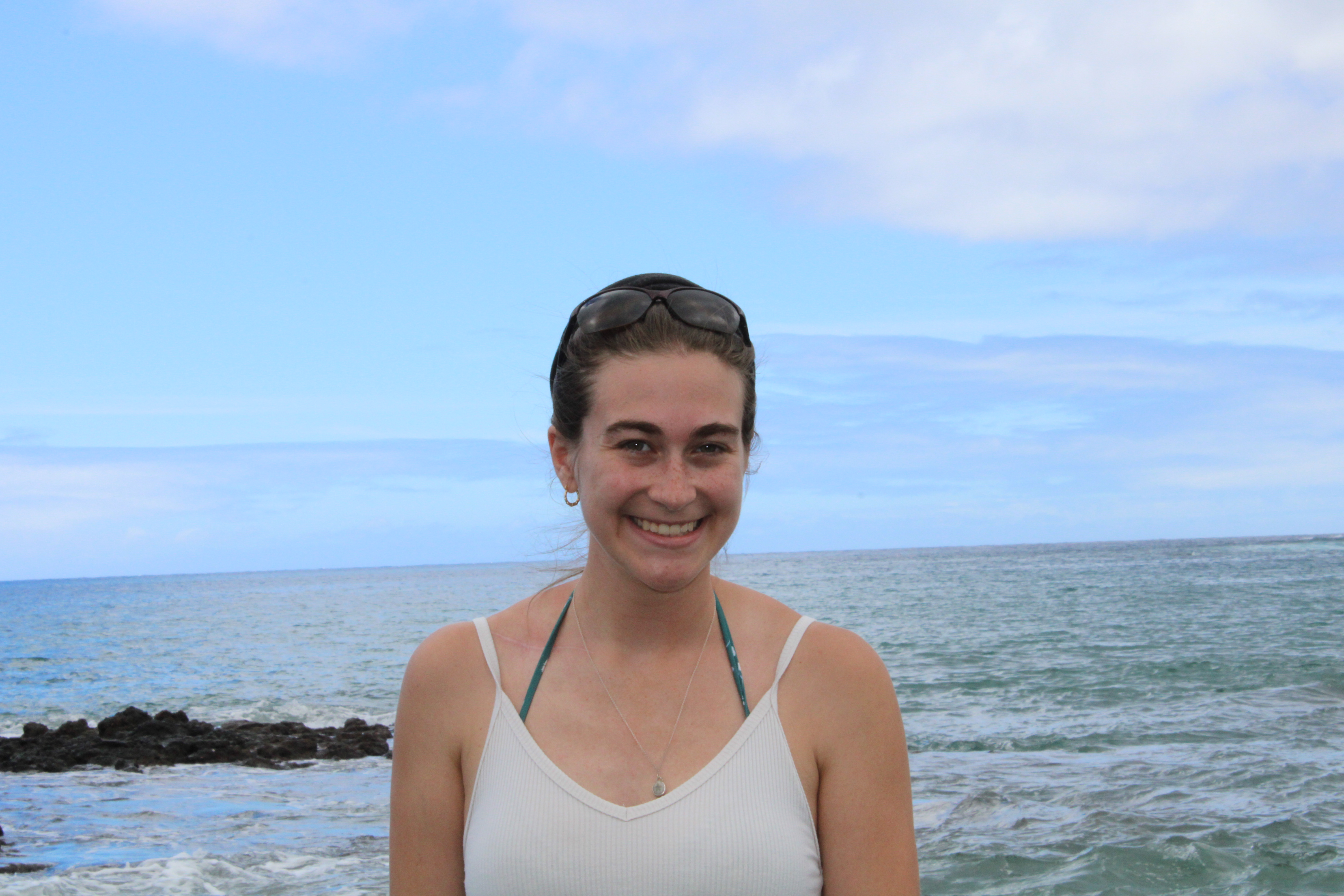
Cornell UniversityI’m a 3rd-year PhD candidate in the Department of Computational Biology at Cornell University, advised by Dr. Andrew Hein. My research explores how behaviors scale in collective groups and how the relationships between groups and fitness impact population dynamics. My work combines fieldwork and experimental approaches with advanced computer vision tools to accurately document and analyze animal behavior.
Project: During CV4Ecology 2026 I will be working on the development of computer vision pipelines to automate the processing of underwater, coral reef transects. The purpose of this work is to investigate changes in group sizes over time, to understand how the formation of groups affects population dynamics. This will be a continuation of my work, which builds computer vision pipelines to analyze the behavior of coral reef fish living in large schools.
Shannon Dolan
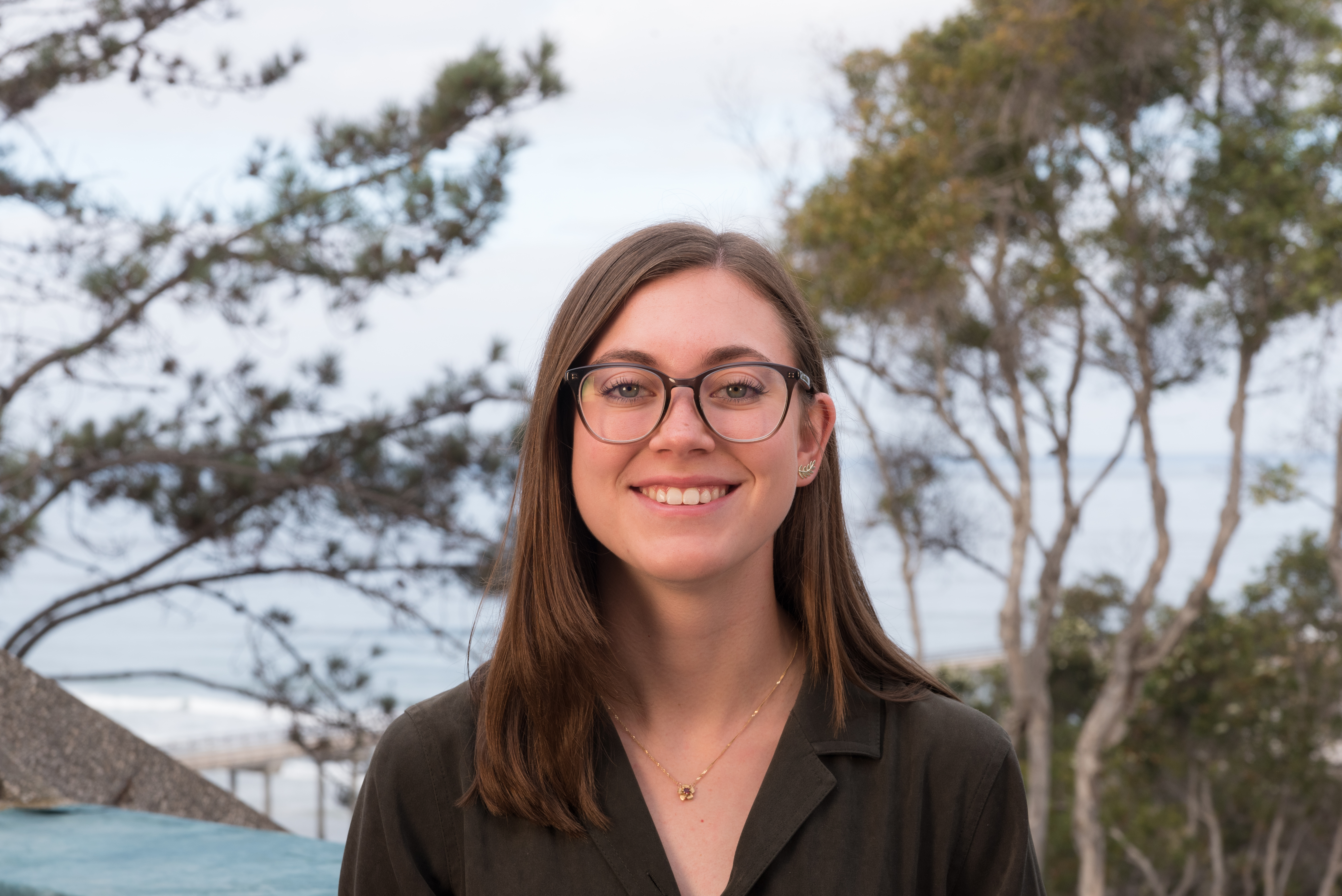
Scripps Institution of OceanographyShannon is a PhD candidate and NDSEG Fellow at Scripps Institution of Oceanography in the Scripps Acoustic Ecology Lab. Her dissertation research focuses on predator-prey dynamics of deep-diving beaked whales in submarine canyons. Shannon combines active acoustic, passive acoustic, in situ environmental data, video footage, and surface satellite data to model spatiotemporal variation in the environment and its influence on bathypelagic organisms and beaked whale presence. Recently, Shannon acquired ship time funding to deploy and design a novel mooring to collect both active acoustic and video footage of marine mammal prey at depths > 1000 m deep. When Shannon is not at sea or analyzing data, she likes to knit or do pottery.
Project: The Midnight Zone (bathypelagic, 1000–4000 m depth) is a dark, mysterious, and under-studied layer of the ocean. Beaked whales, marine mammals capable of remarkable breath holds, routinely dive to this zone to forage, primarily on cephalopods (squid) and fish. To study this region, a mooring equipped with multiple instruments, including a camera, echosounder, and hydrophone, has been deployed. Compared to surface waters, the deep-sea environment has a low density of organisms, making encounters with squid or fish in video footage rare. The CV4Ecology workshop will help me efficiently review hundreds of hours of video (over 6 TB of data) to detect beaked whale prey. Adding to the complexity, the camera records footage in both white-light and red-light modes, which presents an additional challenge for developing a detection model.
Michael D. Catchen
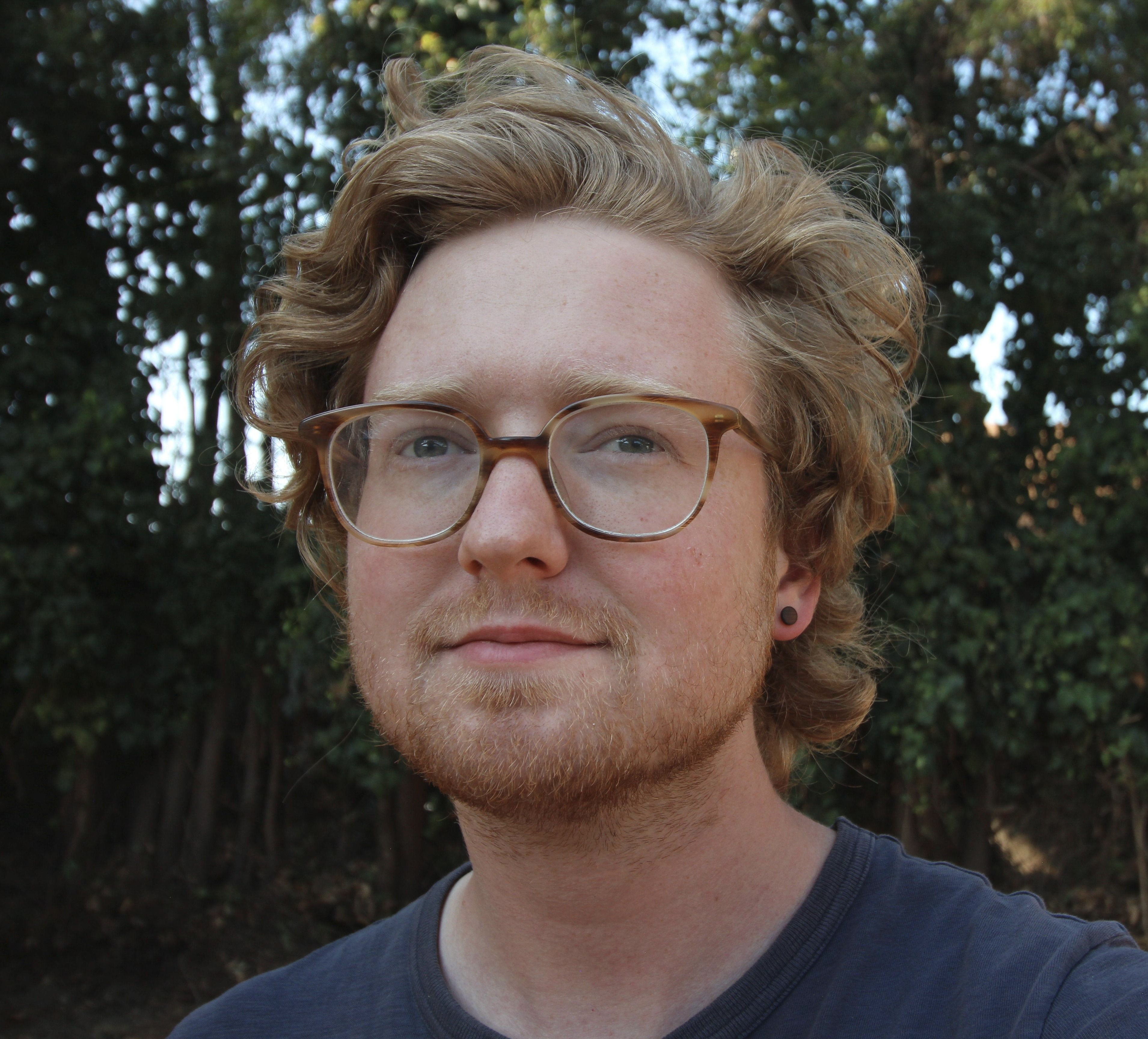
Université de MontréalMichael is a IVADO Postdoctoral Fellow at the Université de Montréal, where he works on computer vision for species distribution modeling and the design of optimal biodiversity monitoring programs.
Project: My project will focus on incorporating high-resolution satellite imagery into species distribution models by taking pre-trained computer-vision models and fine-tuning them for species presence prediction. I'm doing this using data from the Breeding Bird Survey, a monitoring program of hundreds of bird species across North America, and multi-spectral imagery from Sentinel-2.

Holly Houliston
University of Cambridge & British Antarctic SurveyHolly is a PhD candidate at the University of Cambridge and British Antarctic Survey. She holds a BSc in Zoology and an MSc in Wildlife Management from Newcastle University. Her research leverages emerging technologies to address urgent questions in ecology and conservation, with a focus on developing automated systems to detect humpback whales in satellite and drone imagery. By creating scalable monitoring methods, she aims to improve our understanding of whale populations in a rapidly changing world and support global conservation efforts.
Project: Satellite technology provides a scalable, cost-effective tool for monitoring whale populations. However, manual annotation of imagery is time-consuming and labour-intensive. This project aims to improve automated detection of humpback whales by applying domain generalisation techniques to develop object detection models that are robust to geographical, environmental, and behavioural variations.
Seb Dalgarno
Poisson Consulting, Hakai InstituteI am a statistical ecologist at a small consulting company in BC, Canada, primarily working with government researchers to answer ecological questions. My work is mostly in fish population ecology, forest ecology (growth, mortality, carbon stock), and kelp ecology. I develop Bayesian statistical models and analytical tools such as R packages and Shiny apps (often with Bayesian statistical model fitting under the hood).
Project: I am working with Hakai Institute and Parks Canada to develop a segmentation model to delineate seagrass habitat from high resolution drone imagery. Imagery has been collected along the coast of British Columbia since 2015, often with multiple years of data at a single site. The primary objective is to automate the process of seagrass habitat delineation and facilitate monitoring and change detection of this sensitive habitat moving forward.
Shelby Lawson
Oregon State UniversityI am a behavioral ecologist whose research investigates how animals interpret and respond to environmental signals, particularly those indicating danger, and how behavior and cognition have evolved to adapt dynamically to threats across ecological and social contexts. I am currently a postdoctoral scholar at Oregon State University, where I study how red-winged blackbirds recognize and respond to predators using visual and acoustic cues, and whether recognition of certain cues is innate, and if they can be enhanced through social learning. In 2022, I earned my Ph.D. in Integrative Biology from the University of Illinois Urbana-Champaign, where I investigated referential signaling by yellow warblers, specifically how ecological pressures and social context shape alarm call use and interpretation. To explore these questions, my research employs a combination of field experiments with wild birds and lab-based work with captive/hand-raised birds, integrating approaches from behavioral ecology, evolutionary biology, and cognitive psychology.
Project: Animals under threat often produce vocalizations that serve to alert others, deter predators, or recruit assistance. Some species use referential alarm calls to clearly denote a specific type of threat, such as a type/size of predator. Red-winged blackbirds (Agelaius phoeniceus) are highly vocal songbirds that aggressively defend their nests from a range of predators, including brood parasitic cowbirds, mammals, and even snakes. While not currently known to produce referential calls, preliminary data suggests that blackbirds may use complex patterns of alarm call sequences, such as syntax-specific call pairings, to convey information about threat type or severity. The research question my project at CV4E would seek to answer is: Do red-winged blackbirds vary the structure, type, or sequential patterns of alarm calls in response to predator identity, and can certain call combinations predict predator lethality or risk class?
Rachelle Ketelhohn
SUNY-ESFI am a master’s student at the State University of New York College of Environmental Science and Forestry (SUNY-ESF). My research focuses on using minimally invasive techniques to study gray wolves (Canis lupus) in the Haíɫzaqv Nation on the coast of British Columbia. More broadly, my research interests include minimally invasive methods, applied wildlife management, endangered species conservation, and wildlife occupancy and habitat use. As a technician, I have worked on projects ranging from hair-snaring American marten to acoustic monitoring of red-headed woodpeckers, camera trapping large cats in Belize, conducting wildlife surveys at a nature preserve in South Africa, and monitoring endangered species, including piping plovers and the Karner blue butterfly.
Project: Camera trapping is a cost-effective, minimally-invasive tool for monitoring wildlife populations, but its use is limited by the ability to identify individuals. Advances in technology, such as improved photo quality and computer vision, present an opportunity to develop methods for species that lack distinct patterns. My research seeks to develop a machine learning model to identify individual grey wolves (Canis lupus) using camera trap data as part of the Haíɫzaqv Wolf and Biodiversity Project (placeofwolves.ca). Developing these methods will be useful to wildlife managers monitoring the population size of low-density, elusive carnivores.
Emily Croasdale
University of Lisbon, PortugalI'm a PhD candidate in Marine Science with the Macroscope Lab, based at the University of Lisbon, Portugal. We study the ecology of tropical scleractinian corals, working extensively with structure-from-motion photogrammetry to generate 3D representations of coral reefs through time. My PhD research focuses on the ecological drivers of coral growth rates, and the relationship between growth and structural complexity.
Project: Coral growth is an important demographic process on tropical reefs. With recent advances in underwater photogrammetry we can generate high resolution imagery of coral reefs over extensive spatial scales. My goal for this project is to employ computer vision methods to isolate and measure individual coral colonies, to allow us to track each individual's growth through time. Applying this model to our time series data will facilitate further work on coexistence and more broadly in coral demography.
Natasha Shpoliansky
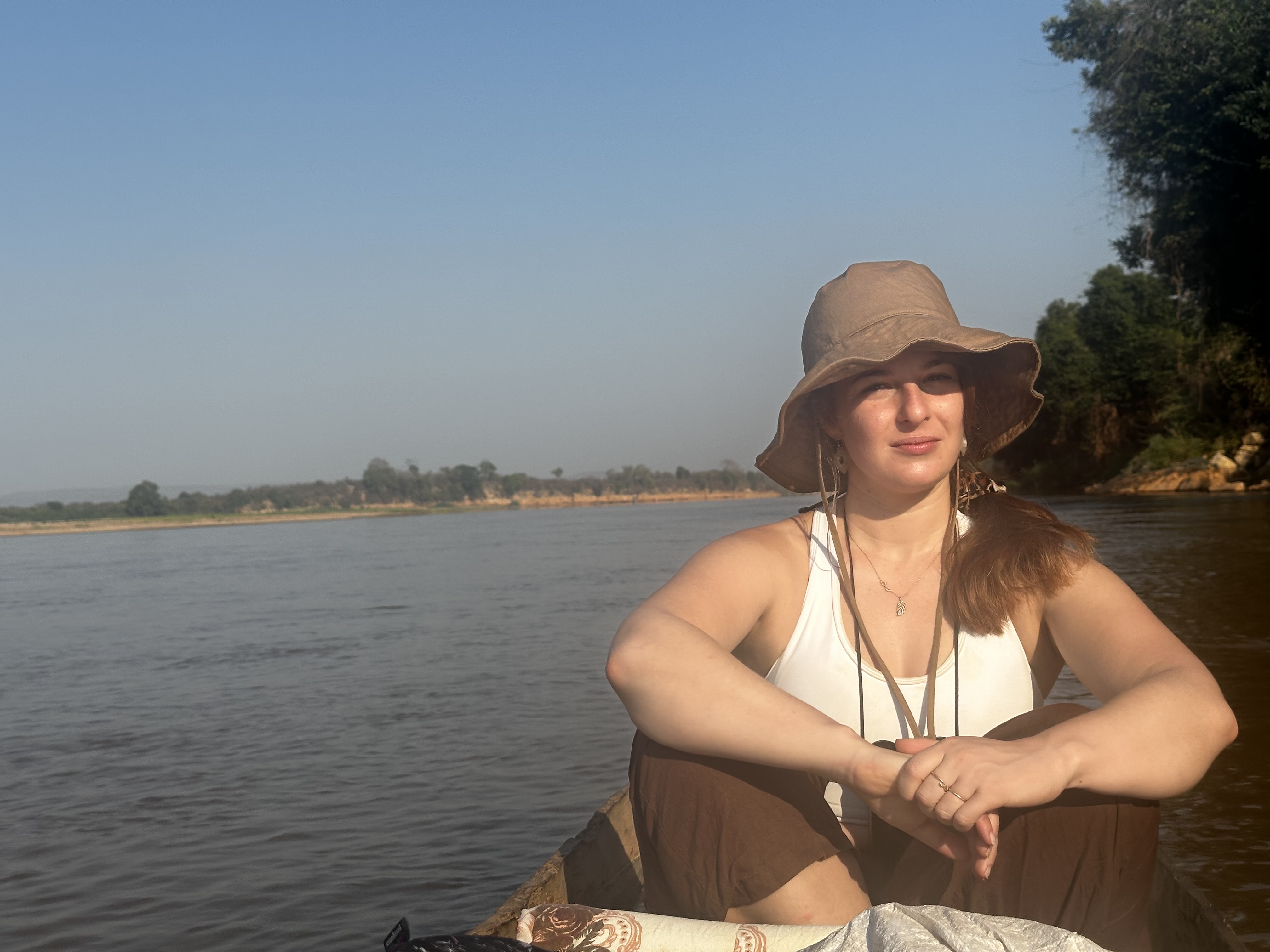
Tel Aviv UniversityI am a PhD student at Tel Aviv University’s School of Zoology, born and raised in Tel Aviv. I investigate how socially learned traditions shape behavioral evolution, specifically focusing on a unique cultural foraging tradition among black rats (Rattus rattus) in Israel: the complex skill of opening Aleppo pinecones. By combining fieldwork, controlled cognitive experiments, behavioral testing of individual interactions with pinecones, and MRI, I aim to uncover how cultural traditions influence behavior, cognition, and ecological adaptation. A central challenge of my work is the objective analysis of hundreds of hours of high-resolution video data. I am eager to leverage computer vision tools to automate the detection and classification of intricate motor patterns, moving beyond time-consuming manual annotation. Outside the lab, I play the piano, enjoy hiking with my dog, and work as a mentor of the Israeli National Biology Olympiad.
Project: My research investigates a culturally transmitted foraging tradition among black rats in Israel involving the elaborate extraction of seeds from Aleppo pinecones. This behavior is a rare case where social learning has enabled a non-human species to expand its ecological niche into novel habitats. The objective of this project is to apply computer vision methods to automate the frame-by-frame detection and classification of fine-scale motor patterns, such as “gnaw scale,” “pull scale,” and “rotate cone” from tens of hours of high-resolution laboratory video. A significant technical challenge lies in the visual complexity of the task; the pinecone is an irregular, dynamic object that changes shape as scales are removed, which often confounds standard tracking algorithms. By replacing manual annotation with automated behavioral mapping, this project aims to quantify individual and population-level variation in foraging techniques to provide new insights into how culturally transmitted skills shape behavioral evolution and niche use.
Nele Weigt
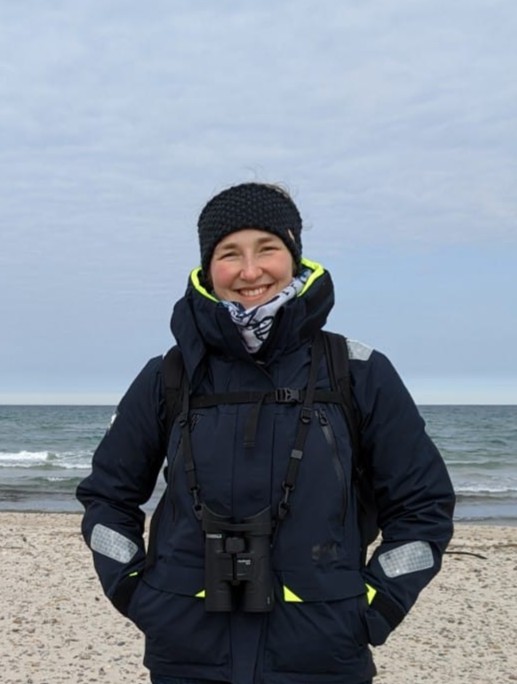
Skidaway Institute of Oceanography - University of GeorgiaI am a second year PhD student in the Greer Lab at the Skidaway Institute of Oceanography in Savannah, Georgia. My main research interests are zooplankton ecology and taxonomy. My current research focuses on layered vs mixed water columns and how they influence zooplankton communities in the contrasting oceanographic regimes of the South Atlantic Bight and the Gulf of Mexico, utilizing an in-situ imaging approach using a modular Deep-Focus Plankton Imager.
Project: Continental shelf regions are characterized by strong horizontal and vertical gradients in physical and chemical oceanographic properties, leading to highly complex and dynamic ecosystems. Interactions among variables like temperature, salinity, oxygen, chlorophyll a and light attenuation can influence the distribution, biomass, and community structure of primary producers and zooplankton. One notable outcome of these interactions can be the formation of thin layers. Thin layers are narrow vertical strata with distinct biological, chemical, and/or physical characteristics that can span centimeters to meters in thickness, extend kilometers horizontally, and persist for days to weeks. These layers can alter zooplankton behavior and aggregation patterns, with potentially important but still poorly understood implications for biological production and food web dynamics. This project leverages in situ imaging and sensor-based observations to better resolve these fine-scale features in continental shelf environments. Using datasets collected during stratified summer and mixed fall conditions in the South Atlantic Bight and the northern Gulf of Mexico, the analysis will focus on identifying thin layers and assessing their influence on particle aggregations in relation to environmental variables. Within this class the focus will be comparing the two shelf environments during the stratified summer conditions.